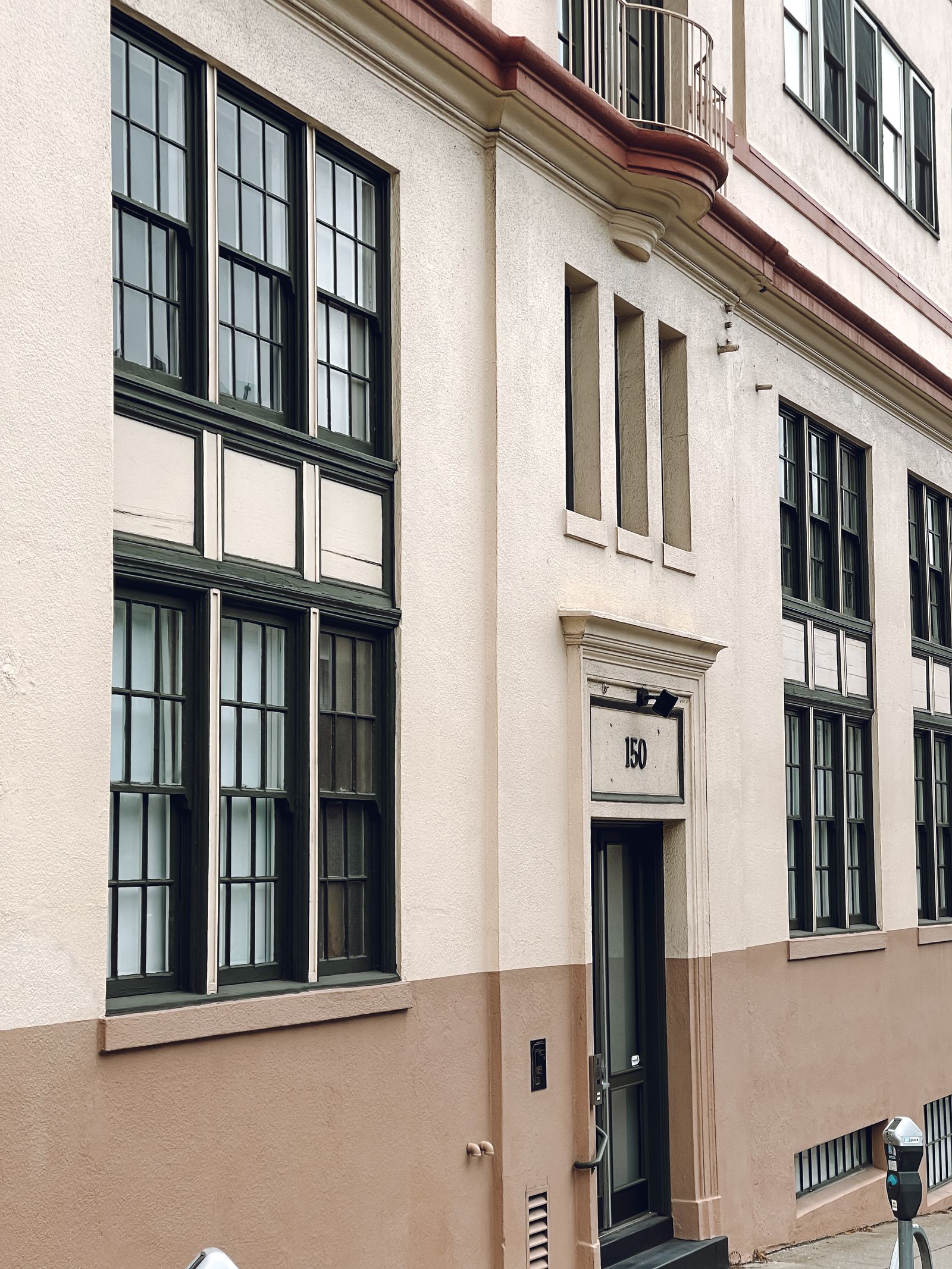
Understand what each method is meant to do
Soft washing generally combines a compatible cleaning solution, controlled dwell time, and a lower-impact rinse on suitable organic and atmospheric soils. It may fit algae-like staining, pollen, mildew-like growth, bird residue, and some film on compatible brick, concrete, painted surfaces, stucco, EIFS, and other materials after evaluation. The aim is to loosen or treat contamination without unnecessary force. It still requires accurate dilution, testing, plant and property protection, public separation, and a runoff plan. Low pressure is not automatically safe when product, dwell, rinsing, or water control is wrong.
Pressure washing depends more on water impact. It may be useful for durable compatible concrete, selected paved areas, loading surfaces, curbs, and service zones where pressure at the surface, flow, nozzle, distance, angle, and drainage support the process. Too much impact can etch concrete, remove mortar, drive water into joints, damage coatings, or leave striping. The best Dover quote explains where pressure has a role, where chemistry is more useful, and where neither method addresses a leak, failed sealant, corrosion, salt deposit, or damaged facade.
- Choose for material and soil rather than a preset pressure setting or marketing label.
- Review chemistry, dwell, rinse, glazing, metal, plant, access, public, and runoff controls together.
- Test representative areas where coatings, repairs, or stain causes are uncertain.
- Separate routine cleaning from restoration, repair, leak diagnosis, and coating replacement.
Match Dover materials and deposits to the process
Brick and mortar require attention to porosity, joint condition, age, water absorption, and previous repairs. Concrete may accept controlled pressure in one zone but need a gentler approach where it is polished, cracked, coated, spalled, or adjacent to delicate joints. Metal panels may show oxidation, chalking, traffic film, salt, or coating failure rather than organic growth. Glass, EIFS, stucco, painted surfaces, stone, composite panels, sealants, awnings, and signs each need a compatibility review. One elevation can contain several materials around a canopy, storefront, repair, or sign band.
The appearance and location of a deposit offer clues. Green or dark film on a shaded, damp wall may be a candidate for compatible soft washing. White crust, rust-colored bleed, black carbon, efflorescence, and streaking below a parapet may indicate minerals, oxidation, soot, salts, or water movement. A Route 13 retail facade may combine pollen, road film, irrigation splash, and tenant activity. A downtown wall may have old mortar, repairs, and tight pedestrian space. A warehouse or service area may have soil, exhaust, and loading residue. Method selection should follow the observed condition.
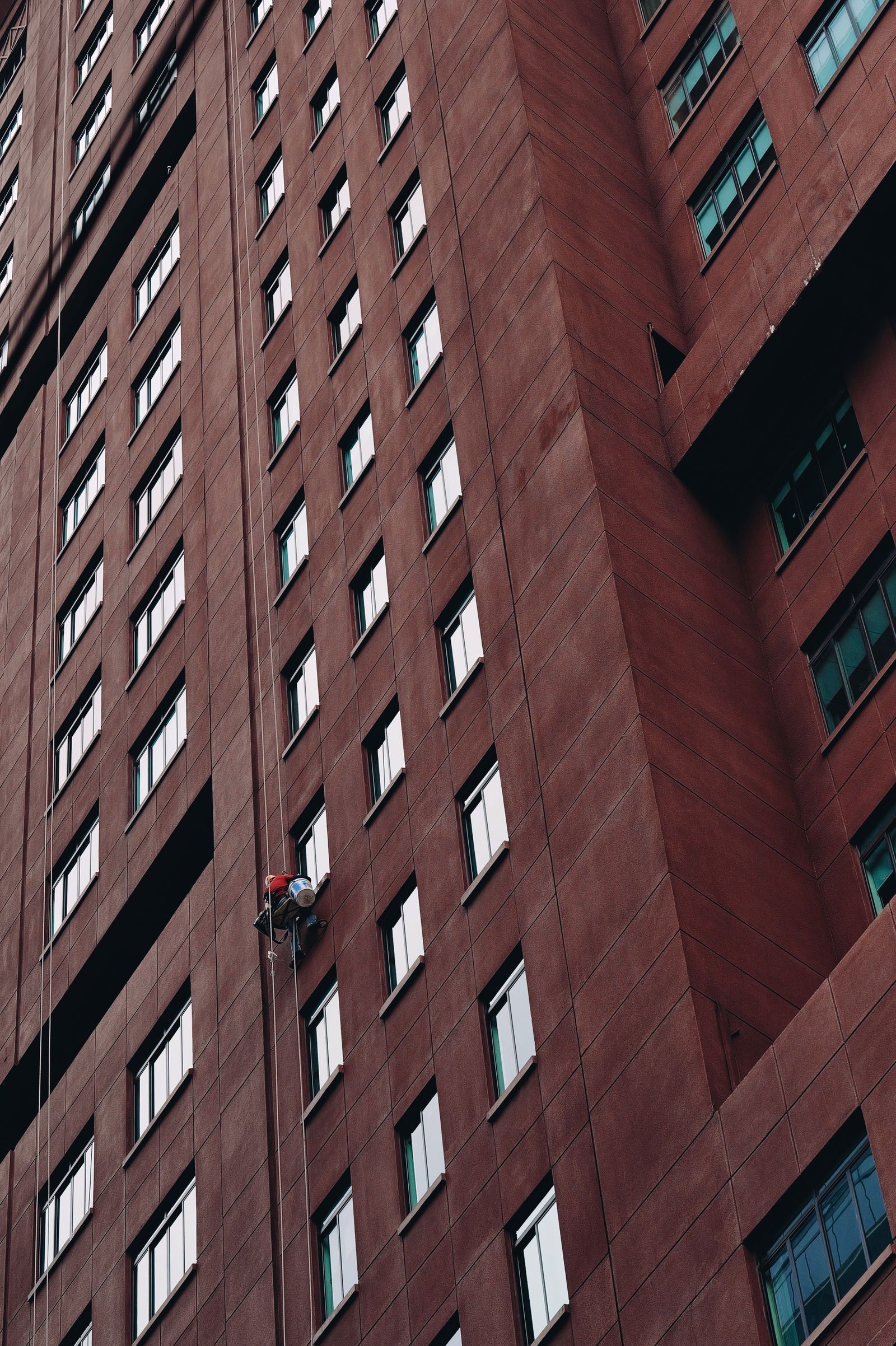
Use an occupied-site plan, not a vacant-wall assumption
Downtown Dover work may need short staging, sidewalk separation, curb coordination, storefront access, and timing around events or pedestrian peaks. Route 13 and Dover Mall-area properties may need tenant communication, customer parking protection, drive-lane sequencing, storefront access, and an opening-time plan. Government buildings can require security and a clearly maintained public route. Medical properties need patient drop-off, accessible paths, air-intake protection, emergency access, and quiet work around appointments. Offices, hotels, schools, and industrial sites each add different deliveries, visitors, staff, or shift constraints.
A method that looks efficient on an empty wall may be wrong beside a clinic door, a retail drive lane, a public entrance, or a loading dock. Before the quote, identify people, vehicles, equipment, landscaping, doors, windows, cameras, power, water, drains, and hose routes. One property may reasonably use several methods: a compatible soft wash on an upper masonry wall, controlled pressure on a durable service apron, a water-fed pole on selected glazing, and hand work around signs, louvers, doors, and canopies. A method map makes that logic clear.
Let Delaware humidity, salt, pollen, and storms influence the choice
Dover's humid coastal-plain setting, regional salt exposure, spring pollen, shade, rain, and wind can affect both the stain and the work window. A shaded brick wall may stay damp while a sunny metal panel becomes hot enough to change dwell time. Rain can move loosened soil toward a curb inlet, landscaped area, shared parking lane, or low point. Summer thunderstorms, lightning, gusts, and storm debris can require a pause even when the morning schedule looked workable. The chosen method should account for current surface conditions rather than a calendar alone.
Runoff belongs in the comparison. A storm drain at the edge of a parking lot is not automatic authorization for treated water or concentrated residue to enter it. Controls depend on product, soil, rinse volume, slope, drain type, landscaping, and site requirements. Possible controls include diversion, recovery, reduced water, filtration, plant protection, disposal, or coordination with the responsible authority. Recurring streaks may point to a gutter, downspout, roof edge, planter, irrigation head, condensation point, failed joint, or another building-envelope condition that cleaning cannot solve.
- Use actual forecast, wind, lightning, heat, rain, and surface moisture to set the work window.
- Treat salt, minerals, oxidation, soot, and drainage streaks as possible non-organic conditions.
- Confirm where rinse water can travel before choosing volume, chemistry, or pressure.
- Document repeat moisture and distinguish appearance cleaning from building or site repair.
Evaluate pressure, access, and aerial limits together
Pressure at the surface is only one part of pressure washing. Nozzle, distance, flow, angle, dwell, operator movement, overspray, material condition, and drainage all affect the result. A higher number can remove mortar, etch concrete, lift paint, mark EIFS, expose aggregate, disturb sealants, or force water behind panels and openings. A lower number can still cause trouble when chemistry, distance, or rinse control is mismatched. Ask the quote to explain the actual method by zone and include a test area where needed.
Aerial assistance may support broad upper elevations only when wind, facade compatibility, stand-off distance, launch and recovery space, visual control, airspace, public separation, security, and runoff support it. Federal Aviation Administration requirements still apply. Aerial work does not replace close assessment, hand detailing, contact glass cleaning, or repair work. Dover's utilities, trees, rooftops, roads, parking, and neighboring properties should be considered before an access method is chosen. A pole, lift, ground, or hybrid approach may be better when controls are inadequate.
Use the quote to make a defensible decision
Ask for included elevations, materials, test areas, access equipment, working hours, protection for entrances and equipment, public or tenant coordination, runoff assumptions, weather contingencies, and exclusions. Send photos of the main entrance, shaded wall, upper elevation, roof edge, loading area, windows, landscaping, irrigation, and parking-side drainage. Include patient, guest, employee, visitor, tenant, delivery, event, and production constraints so the plan reflects how the property actually operates.
Ask which deposits may not respond to routine washing and which conditions need a mason, roofer, painter, metal specialist, irrigation professional, or building-envelope professional. A useful comparison does not require the owner to know the answer before calling. It explains why a zone should be soft washed, pressure washed, detailed by hand, accessed by pole or lift, considered for aerial assistance, or left for another trade. To discuss a Dover property, call +1 239-351-2897 or email contact@dronebuildingcleaners.com. Drone Building Cleaners can help you get in touch, compare methods, and prepare a quote around the appearance and operating outcome you need.